
 by: Parent Project Muscular Dystrophy
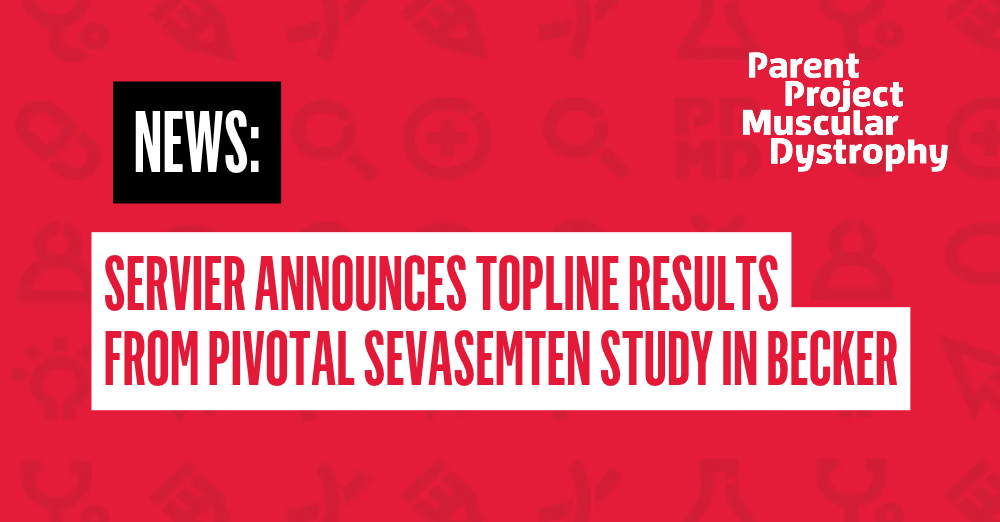
Servier announced yesterday that the pivotal Phase 3 GRAND CANYON study evaluating sevasemten in individuals living with Becker muscular dystrophy did not meet its primary endpoint. Sevasemten is an orally administered small molecule inhibitor designed to protect muscle against contraction-induced damage in muscular dystrophies.
According to the company’s announcement, the 18-month, global, placebo-controlled study did not demonstrate a statistically significant benefit on the North Star Ambulatory Assessment (NSAA), a measure of functional motor ability. The study also did not meet its secondary endpoints.
Servier reported that sevasemten maintained a favorable safety and tolerability profile throughout the study.
According to Servier, the company is conducting a comprehensive analysis of the GRAND CANYON study data, alongside relevant data from previous clinical studies, to better understand the findings, and has indicated that full study results will be presented at a later date. PPMD has requested Servier to join us for a webinar and the company is working quickly to have the information for an informed call.
This announcement is deeply disappointing for the Becker community, particularly for the individuals and families who participated in this research and have been following sevasemten’s development with optimism for a potential therapeutic option. We recognize how difficult this moment is and PPMD is grateful to the individuals and their families who participated in the GRAND CANYON and earlier clinical studies. Your willingness to contribute to research, share your experiences, and help advance our understanding of Becker matters.
Understanding the full findings and what this means as we look to the future is crucial. PPMD will continue to follow developments in the sevasemten program and share additional information with the community as it becomes available.
The Becker community coalesced around each other and this program. PPMD is here to strengthen that connection across the community with trusted educational resources, support, and information. If you have questions about what these results may mean for your or your family member’s care, treatment options, or clinical trial eligibility, we encourage you to speak with your healthcare provider. Families can also connect with PPMD through PPMD For You for additional support, including genetic education resources and appointments with experts.
Read Servier’s press release here.